Solo Travel Safety: Planning, Habits & Checklist
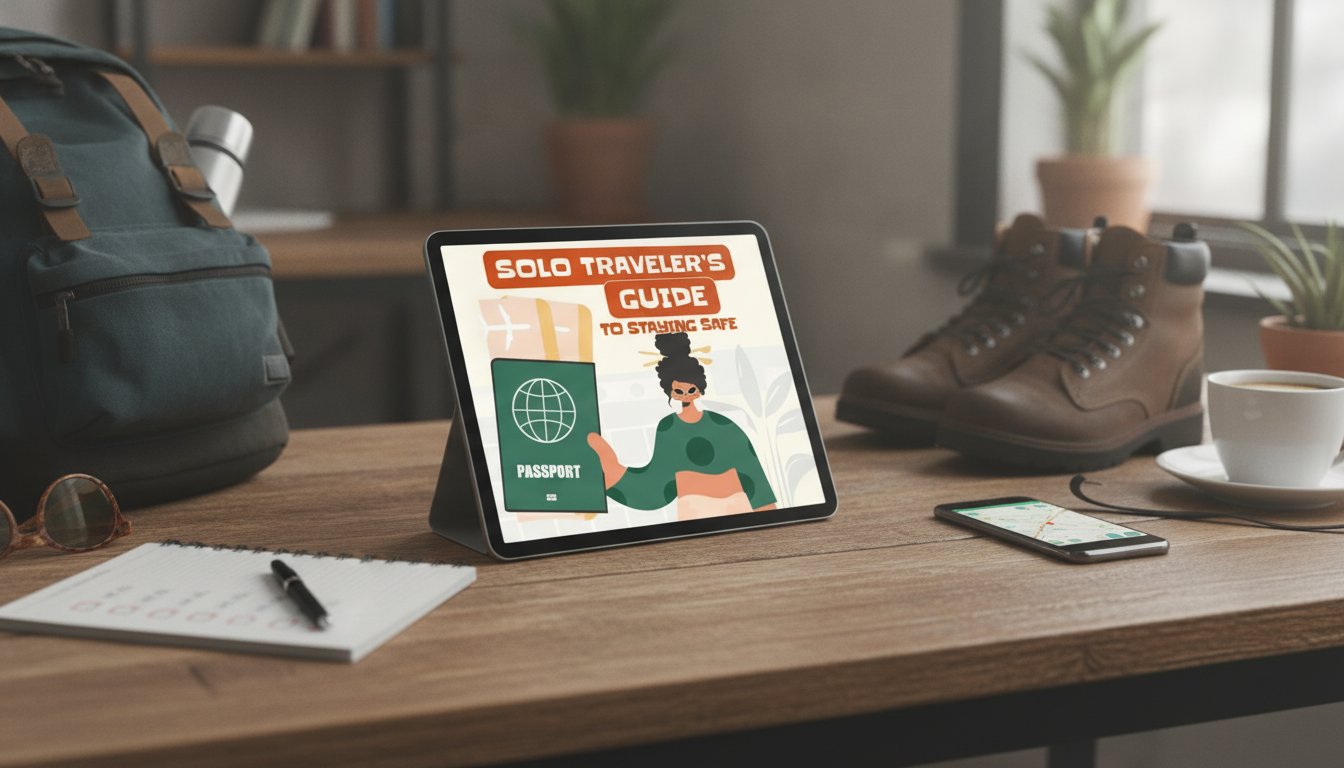
Solo Traveler’s Guide to Staying Safe: Practical Planning, Everyday Habits, and a Ready-to-Use Checklist
Solo travel can be freeing and confidence-building, but it rewards preparation and consistent routines. Safety gets easier when it’s organized into stages—before departure, during transit, at your accommodation, and while exploring—so decisions feel automatic under stress. Use the habits and checklist below to plan clearly, reduce avoidable risks, and react calmly if something goes wrong.
Start With a Personal Safety Baseline
Before comparing destinations or booking anything, define what “safe enough” looks like for you. This baseline keeps you from drifting into uncomfortable situations just because you’re tired, excited, or trying to be flexible.
- Clarify your trip style and risk tolerance: late-night nightlife vs. early mornings, remote hikes vs. city centers, private rentals vs. staffed hotels.
- Set non-negotiables: only licensed transport at night, no isolated beaches alone, and no meeting new people at your lodging.
- Create a simple “when to worry” plan: tell a trusted person what counts as concerning (missed check-in window, phone off too long, sudden route changes).
- Make two itinerary versions: a detailed one for your contact and a minimal one you carry, so you don’t overshare if someone sees it.
Pre-Trip Safety Planning That Prevents Most Problems
Most problems are avoided before you ever leave. Think of planning as removing friction: fewer last-minute decisions, fewer vulnerable moments, and fewer “I’ll figure it out when I land” scenarios.
- Research the specifics: safer neighborhoods, common scams, typical transit, and local emergency numbers (police/medical) plus embassy or consulate contacts.
- Check rules and norms that affect safety: local laws around alcohol, photography, dress expectations, and demonstrations. Travel advisories can help frame current risks (see U.S. Department of State Travel Advisories and UK foreign travel advice).
- Choose arrival timing wisely: daytime arrivals usually mean better transport options and less pressure to accept a questionable ride.
- Build a “first 2 hours” plan: how you’ll get to your lodging, where you’ll activate a SIM/eSIM, and where you’ll withdraw cash (if needed).
- Create redundancy: two payment methods, a spare card stored separately, and small emergency cash split across bags.
Phone, Accounts, and Digital Security While Traveling Solo
Your phone is your map, wallet backup, translator, and safety line. Securing it reduces the fallout from loss or theft and makes it easier to recover quickly.
Quick Digital Safety Checks (Before Departure)
| Item | What to Do | Why It Matters |
|---|---|---|
| Phone lock + tracking | Set a strong PIN and enable device tracking | Reduces risk if the phone is lost or stolen |
| MFA on key accounts | Turn on multi-factor authentication for email/banking | Prevents account takeover while abroad |
| Offline copies | Save key documents and reservations offline | Helps when data/service is unreliable |
| Payment redundancy | Carry a backup card stored separately | Avoids being stranded if one card is blocked |
- Use a password manager: unique passwords + MFA for email, banking, and travel accounts.
- Avoid “free” public Wi‑Fi for banking: use a personal hotspot or a reputable VPN if you must connect.
- Back up essentials: ID scans, insurance, prescriptions, reservations, and emergency contacts stored offline and in secure cloud storage.
- Limit location broadcasting: review social privacy settings and post photos after you’ve left a location.
Choosing Safe Accommodation (Without Overpaying)
Safety often comes from practical features and location—not luxury. A moderately priced place in an active, well-connected area can beat a cheap option that’s isolated.
- Prioritize location: walkable areas with reliable transit and steady foot traffic tend to be easier for solo travelers.
- Read reviews for safety signals: 24/7 reception, well-lit entrances, secure key access, and clear visitor policies.
- Confirm logistics: late check-in process, locked gates, elevator/stairwell lighting, and what the street feels like at night.
- Do a quick room check: door and window locks work, you understand secondary exits, and you know where you’d go in an emergency.
- Don’t advertise you’re alone: keep details vague in shared spaces and use “do not disturb” strategically.
Transit and Arrival: The Highest-Leverage Time to Stay Alert
Airports, stations, and arrival corridors are where fatigue and uncertainty overlap. Tighten routines here and the rest of the trip usually feels smoother.
Everyday Habits That Reduce Risk While Exploring
For health planning—especially if you have prescriptions or medical concerns—review guidance from the World Health Organization’s travel and health resources and keep key information available offline.
What to Do If Something Goes Wrong
Printable Checklist and Travel Security Planning (Digital Download)
If you want a ready-to-use file you can save offline or print, consider the Solo Traveler’s Guide to Staying Safe (digital PDF checklist). For travelers who like structured planning beyond safety—timelines, routines, and follow-through—the Goal-Setting Guide for Real Results can help organize trip prep into clear, doable steps.
FAQ
What country is riskiest for solo travelers?
Risk varies by region, time of day, and traveler profile, so a single “riskiest” list can be misleading. Check current government travel advisories, recent local reporting, and neighborhood-level guidance, then match the destination to your personal baseline and routines.
What are the most important solo travel safety tips to follow every day?
Secure valuables, use licensed transport at night, keep your phone charged, and stick to a simple check-in routine with someone you trust. Limit alcohol, stay aware in transit hubs and crowds, and always have an easy exit plan if a situation feels wrong.







Leave a comment